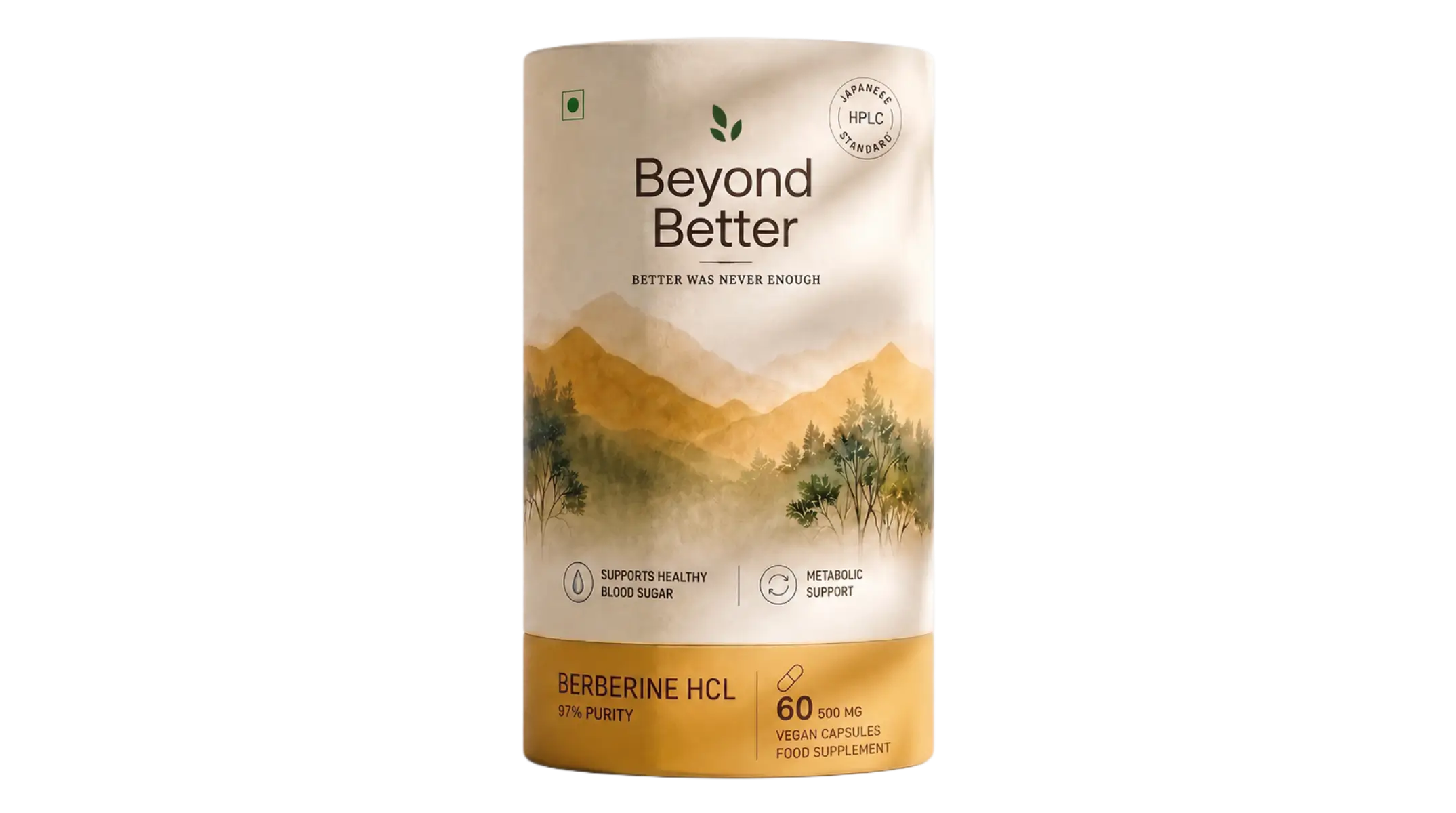
Berberine vs Ozempic: Understanding The Science Of "Nature's Ozempic"
Berberine is increasingly nicknamed "nature's Ozempic" online. The mechanisms behind each compound tell a more nuanced story.
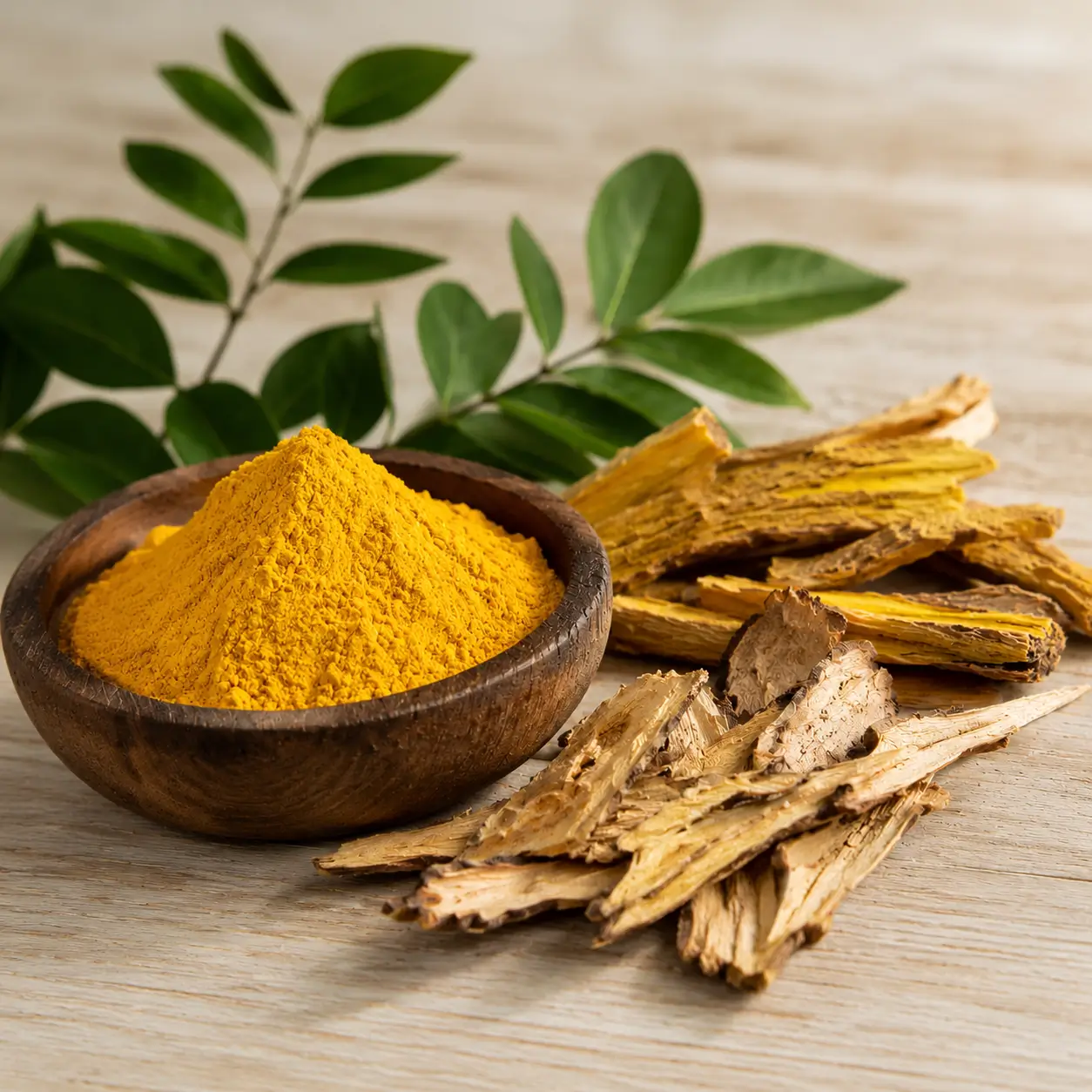
Introduction
Berberine has become widely described in popular media as "nature's Ozempic." The comparison reflects shared interest in metabolic and weight-related outcomes, but the underlying mechanisms of the two compounds are distinct. A clear-eyed look at the science is more useful than the marketing label.
How Ozempic Works
Ozempic (semaglutide) is a GLP-1 receptor agonist. It mimics the action of the body's own GLP-1 hormone, enhancing insulin secretion in response to meals, slowing gastric emptying, and acting on central appetite-regulating pathways. It is a prescription pharmaceutical with a well-characterised clinical effect on body weight and glycaemic control.
How Berberine Works
Berberine's primary mechanism of interest is activation of AMP-activated protein kinase (AMPK), a cellular energy sensor that influences glucose uptake, fat oxidation, and mitochondrial function. The pathway is upstream of, and distinct from, GLP-1 signalling.
Mechanistic Differences
AMPK activation and GLP-1 receptor agonism are not the same lever. The effects on appetite, gastric emptying, and pancreatic insulin secretion that characterise semaglutide are not the principal effects of berberine. Conflating the two underestimates both.
Evidence Base
Semaglutide is supported by large randomised phase 3 trials with hard clinical endpoints. Berberine has a substantial mechanistic and clinical literature, including meta-analyses on glycaemic markers, but the trial scale and regulatory positioning differ.
What "Nature's Ozempic" Actually Means
The phrase is a heuristic, not a pharmacological equivalence claim. Berberine is of interest because of its metabolic activity through a different pathway — not because it reproduces semaglutide's mechanism. Anyone considering either compound for a clinical indication should do so under medical guidance.
- Ozempic is a GLP-1 receptor agonist; berberine primarily activates AMPK.
- The two mechanisms are distinct, not equivalent.
- Semaglutide has large phase 3 trial evidence; berberine has a different evidence profile.
- "Nature's Ozempic" is a popular nickname, not a pharmacological claim.
- Clinical decisions should be made with a qualified healthcare professional.
Frequently Asked Questions
Is berberine the same as Ozempic?
No. Ozempic is a prescription GLP-1 receptor agonist; berberine is a plant alkaloid that primarily activates AMPK. The mechanisms are different.
Why is berberine called "nature's Ozempic"?
Because both have been associated with metabolic and weight-related effects in popular coverage. The label compares outcomes loosely, not mechanisms.
- [1] Wilding JPH et al. — Once-Weekly Semaglutide in Adults with Overweight or Obesity — NEJM, 2021.
- [2] Yin J et al. — Efficacy of Berberine in Patients with Type 2 Diabetes — Metabolism, 2008.
- [3] Lan J et al. — Meta-analysis of Berberine on Glucose and Lipid Metabolism — J Ethnopharmacology, 2015.
Beyond Better Research Team. (2025). Berberine vs Ozempic: Understanding The Science Of "Nature's Ozempic". Beyond Better Research Library. Retrieved from https://bebeyondbetter.com/research-library/berberine-vs-ozempic
Continue Reading.


Better Was Never Enough.
97% HPLC verified purity. Water-only extraction. Full transparency at every batch.